Billy Betty: The Elegant Calligraphy Font with Heart
There’s a moment in every designer’s workflow when a project calls for something more than just text—it needs a feeling. It needs warmth, personality, and a touch of romance. That’s where a font like Billy Betty steps in. More than just a typeface, it’s a design asset that carries a distinct emotional weight, making it a go-to for projects that aim to connect on a human level.
A Closer Look at Billy Betty's Personality
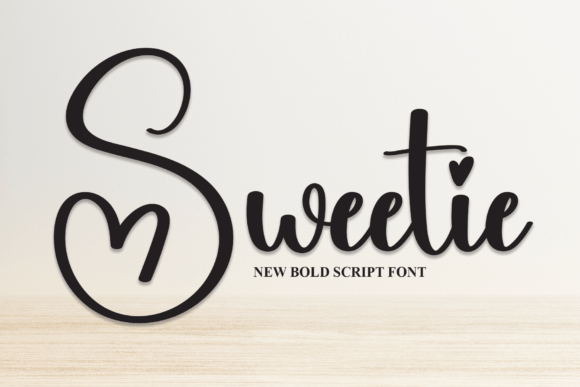
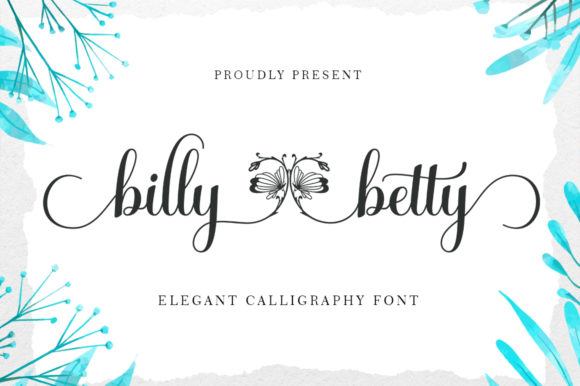
At its core, Billy Betty is a premium script font rooted in elegant calligraphy. Its defining feature is the delicate heart ornaments woven into its swashes and ligatures, giving it an instantly recognizable romantic flair. The letterforms themselves are fluid and connected, mimicking the natural flow of hand-lettering. This isn't a stiff, formal script; it feels personal, like an invitation written by a friend. The overall style is dreamy and sophisticated, striking a balance between playful charm and refined elegance.
This creative font is PUA encoded, a practical detail that matters greatly for usability. It means every stylistic alternate, swash, and decorative glyph is accessible without specialized design software. For entrepreneurs and crafters, this translates to effortless customization in basic programs, allowing you to create unique logos or monograms with just a few clicks.
Where Billy Betty Truly Shines: Practical Applications
Understanding a font’s personality is one thing; knowing where to apply it is where strategy comes in. Billy Betty isn’t a workhorse for body text—it’s a display font meant for headlines, accents, and focal points. Its strengths are best leveraged in specific contexts.
Branding & Identity: For businesses in the wedding, beauty, lifestyle, or boutique retail sectors, Billy Betty can be a cornerstone of a brand identity. It works beautifully for logo design, especially for brands that want to convey approachability, care, and a personal touch. Think of a wedding planner’s logo, a handmade jewelry brand, or a cozy café’s signage. Paired with a clean sans serif font for body copy, it creates a hierarchy that is both inviting and professional.
Editorial & Publishing: In editorial design, this font excels as a pull quote, chapter title, or feature headline in magazines, blogs, and book covers. It adds a layer of visual interest that a standard serif font might not achieve, guiding the reader’s eye and setting a specific mood for the content. For bloggers and content creators, using it for post titles or section headers can make a layout feel more curated and engaging.
Marketing & Social Media: In the fast-scrolling world of social media, a graphic font like Billy Betty can stop the thumb. It’s ideal for Instagram quote graphics, Pinterest pins, Facebook ad headlines, and promotional banners. Its ornamental nature makes it perfect for seasonal campaigns—think Valentine’s Day promotions, holiday greetings, or Mother’s Day sales—where emotional resonance is key.
Packaging & Print Design: Packaging design for artisanal goods, cosmetics, or stationery benefits immensely from a touch of elegance. Billy Betty can elevate a product label, gift tag, or thank-you card, making the unboxing experience feel more special. In print, it’s suitable for greeting cards, wedding invitations, event programs, and certificates where a handwritten, personal aesthetic is desired.
Making It Work: Font Pairings and Readability
The true test of a display font is how well it plays with others. Billy Betty’s ornate style demands a complementary partner that provides balance and clarity. A good rule of thumb is to pair it with a highly legible, neutral sans serif or a simple, geometric serif font. Fonts like Montserrat, Raleway, or Lato offer clean lines that won’t compete for attention. For a more traditional pairing, a classic serif like Playfair Display or Georgia can create a sophisticated, layered look.
Readability is paramount. Use Billy Betty sparingly and at larger sizes. Its intricate details can become muddled in small text or dense paragraphs. Always test your designs at the intended output size, whether it’s a mobile screen or a printed poster. Check that the heart ornaments and swashes don’t create awkward spacing or visual clutter. A practical test: squint at your design. The hierarchy should still be clear, with the headline in Billy Betty grabbing attention first.
A Designer’s Checklist for Using Billy Betty
Before integrating any commercial font, a quick evaluation ensures it’s the right fit.
- Project Vibe Check: Does your project’s tone align with romance, elegance, or handmade charm? If you’re designing for a tech startup or a financial report, this likely isn’t the font. For a bakery, boutique, or personal blog, it’s a strong candidate.
- Explore the Glyphs: Since it’s PUA encoded, take time to explore all available characters in your chosen software. You might find alternate letterforms or swashes that perfectly suit your layout.
- Test the Pairing: Mock up a headline with Billy Betty and your body copy font. Does the contrast feel harmonious or jarring? The goal is partnership, not competition.
- Review the License: Confirm the font license covers your intended use—personal, commercial, or for a client. Understanding the terms protects your work and respects the creator’s effort.
- Consider the Medium: Will this be viewed on low-resolution screens or high-quality print? Test for clarity in both environments. Sometimes, simplifying the swashes can improve digital readability.
Ultimately, Billy Betty is a tool for storytelling through typography. It’s not about following a rigid formula but about making an intentional choice to evoke a specific emotion. Used thoughtfully, it can transform a standard design into something memorable, helping your work—and your message—stand out with heart.