Fagor: A Typeface for the Digital Frontier
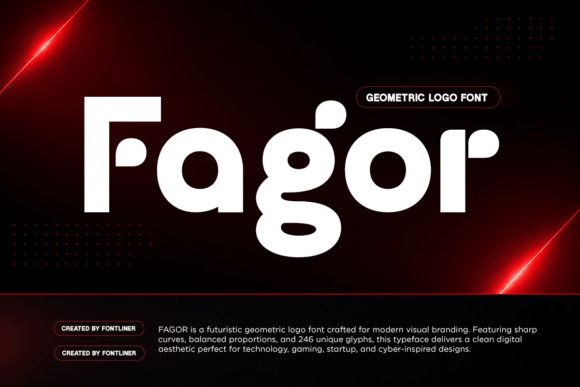
When you're building a brand that needs to feel like it belongs in the near future, every visual element counts. The typeface you choose isn't just about spelling out a name; it's about conveying an entire mood, a promise of innovation and clarity. This is where a font like Fagor enters the conversation. It's a geometric display typeface engineered with a specific purpose: to inject a clean, futuristic energy into contemporary design projects. Think of it as the visual equivalent of a sleek user interface or the branding on a cutting-edge tech gadget.
Fagor’s construction is rooted in balanced proportions and smooth, deliberate curves. The letterforms feel solid and intentional, built from bold geometric shapes that give them a confident, stable presence. This isn't a font that tries to be overly quirky or decorative. Its strength lies in its precision and clarity. The overall aesthetic is undeniably modern, drawing subtle inspiration from cyberpunk visuals, digital environments, and the bold, minimalist identities of successful startups. It manages to feel both professional and dynamic, a combination that’s highly sought after in today’s fast-moving creative landscape.
Where Fagor Truly Shines
Understanding a font's personality is one thing; knowing where to deploy it is another. Fagor finds its sweet spot in projects where a strong, contemporary, and slightly technological feel is desired. Its clean lines and excellent readability at various sizes make it a versatile workhorse for a range of applications.
In the realm of logo design and brand identity, Fagor excels. It provides a solid foundation for brands in the tech sector, SaaS companies, gaming studios, and esports organizations. The geometric construction ensures the logo remains crisp and recognizable whether it’s scaled down for a mobile app icon or blown up for a billboard. It helps build a brand identity that feels innovative and trustworthy from the first glance.
Beyond logos, consider its use in packaging design for futuristic products, sci-fi merchandise, or any consumer good aiming for a sleek, modern shelf presence. For editorial design, it can create striking headlines in magazines or blogs focused on technology, design, and culture. In the digital space, it’s a natural fit for UI/UX projects, app interfaces, and web design headers where clarity and style are paramount. Don’t overlook its power in social media graphics and advertising—its bold character cuts through the noise of a crowded feed, making messages instantly legible and visually engaging.
Making Fagor Work for Your Project
Choosing a premium font like Fagor is an investment in your project's visual language. To ensure it’s the right fit, start by evaluating your project’s core personality. Does it need to convey innovation, efficiency, and a forward-thinking attitude? If yes, Fagor is a strong candidate. Test it by setting your key headlines, taglines, or brand name. See how its character spacing and weight feel in context.
A critical step is font pairing. Fagor, as a strong display font, works best when paired with a more neutral typeface for body copy. Consider combining it with a clean sans serif font for a harmonious, modern look, or even a simple serif font to create a interesting contrast between the futuristic and the traditional. Avoid pairing it with other highly stylized script fonts or handwritten fonts, as they would compete for attention and undermine the clean aesthetic.
Always review the full font family or included styles. Does it come with multiple weights (Light, Regular, Bold)? OpenType features like alternate characters or ligatures can add valuable flexibility. Pay close attention to readability—while it’s designed for impact, ensure it remains legible at the sizes you plan to use it, especially for longer text blocks. Finally, verify the commercial font license covers your intended use, whether for a single client project, merchandise, or digital distribution.
Think of Fagor as a powerful tool in your design assets toolkit. It’s not about using it everywhere, but about using it strategically to elevate projects that call for a specific, modern, and geometrically precise voice. When applied thoughtfully, it helps create visuals that are not only beautiful but also functionally clear and memorable, helping your work stand out in a visually saturated world.