Marlin Barista: A Handwritten Font for Authentic Branding
When you're building a brand, the details matter. The color palette, the imagery, the voice—and absolutely the typography. A font isn't just letters on a page; it's the visual handshake between your brand and your audience. If you're searching for a typeface that carries warmth, character, and a distinctly human touch, Marlin Barista deserves a close look. This premium handwritten font has been quietly gaining traction among designers, entrepreneurs, and creative professionals who need their projects to feel approachable without sacrificing polish.
What Makes Marlin Barista Stand Out
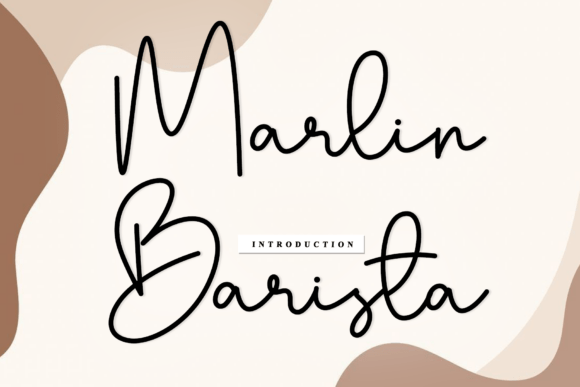
Marlin Barista is a lovely and timeless handwritten font, but that description only scratches the surface. At its core, it's a script font with an organic, flowing quality that mimics natural handwriting. Each letter carries a unique and beautiful touch—the strokes vary in weight, the connections between characters feel effortless, and there's an intentional imperfection that gives it real personality. It doesn't look like it was generated by a machine. It looks like someone sat down with a good pen and wrote something they meant.
What sets Marlin Barista apart from other handwritten fonts is its balance. Some script fonts lean too casual, becoming almost illegible at smaller sizes. Others try so hard to look elegant that they feel stiff. Marlin Barista threads that needle beautifully. It's relaxed enough for a coffee shop menu but refined enough for wedding stationery. That versatility is rare, and it's why so many designers keep reaching for it across different project types.
Where This Font Truly Shines
The best creative font choices come from understanding context. Marlin Barista isn't trying to be everything to everyone, but it works exceptionally well in specific scenarios. Here's where I've seen it make the biggest impact.
Logo Design and Brand Identity
This is where Marlin Barista really comes alive. If you're developing a brand identity for a boutique business—a bakery, a florist, a lifestyle blog, a handmade goods shop—this font immediately communicates warmth and authenticity. It's the kind of typeface that makes a logo feel like it has a story behind it. Pair it with a clean sans serif font for body text, and you've got a brand system that feels both personal and professional.
Packaging and Editorial Design
Product packaging is one of the most underappreciated applications for display fonts like Marlin Barista. Think about artisan food labels, candle packaging, or cosmetics branding. The handwritten style suggests craftsmanship and care—exactly the message small business owners want to send. In editorial design, it works beautifully for pull quotes, chapter headings, or magazine covers where you need to grab attention with something that feels less corporate and more conversational.
Digital and Social Media Graphics
Content creators and marketers take note: Marlin Barista performs well in digital spaces. Social media graphics, email headers, blog post featured images, and even website hero sections can benefit from its personality. On platforms where everything feels algorithmically generated, a handwritten font brings a human element that stops the scroll. It's particularly effective for Instagram posts, Pinterest graphics, and YouTube thumbnails where visual distinctiveness matters.
Practical Guidance for Using Marlin Barista
Choosing a font is only half the equation. Using it well is where the real skill comes in. Here are some practical observations from working with handwritten fonts in professional projects.
Font Pairing Strategies
Marlin Barista is a display font, which means it's designed for headlines, logos, and short bursts of text—not for paragraphs. The most effective approach is pairing it with a highly readable serif font or sans serif font for body copy. A geometric sans serif creates a modern contrast. A traditional serif font adds a classic, editorial feel. Avoid pairing it with other decorative or script fonts, which creates visual chaos. The goal is contrast, not competition.
Readability Considerations
Every handwritten font has a readability threshold. Marlin Barista holds up well at medium to large sizes, but like any script typeface, it becomes harder to parse at very small sizes or in long passages. Use it strategically. A headline at 36 points? Perfect. A 10-point caption? Reach for something simpler. Testing your designs at actual viewing distances and screen sizes is non-negotiable. What looks gorgeous on your 27-inch monitor might be illegible on a mobile phone.
Commercial Licensing and Usage
If you're using Marlin Barista for commercial projects—and most professionals are—you need to verify the licensing terms. Most premium fonts come with clear commercial licenses, but the specifics vary. Some licenses cover unlimited projects, others are per-project. Some include web font files for embedding on websites, others don't. Read the license agreement before you commit. It's a small step that prevents big headaches later, especially if you're building a brand identity that will appear across multiple touchpoints.
The Role of Typography in Modern Brand Perception
Here's something worth remembering: your audience notices your typography even when they don't consciously think about it. The fonts you choose influence how people perceive your brand's credibility, personality, and values. A handwritten font like Marlin Barista signals approachability, creativity, and authenticity. It tells your audience that there are real people behind the brand, not just a corporate machine.
That said, context matters enormously. A law firm probably shouldn't use a script font for their primary branding. But a yoga studio, a craft brewery, an independent bookstore, or a personal blog? Marlin Barista could be exactly the right fit. The key is alignment between your font choice and your brand's actual personality. Typography should amplify who you already are, not create a disconnect.
Final Thoughts on Choosing Marlin Barista
No single font solves every design challenge, and anyone claiming otherwise is selling something. What Marlin Barista offers is a specific, well-crafted aesthetic that serves a real need in the design landscape. It's a creative font with genuine warmth, versatile enough for logos, packaging, digital graphics, and print materials, but distinctive enough to give your projects a recognizable voice.
If you're evaluating whether it fits your next project, start by collecting examples of brands and designs that feel similar to what you're aiming for. Look at the typography in those references. If you see handwritten, organic, approachable styles resonating with your vision, Marlin Barista is worth testing. Download it, set a few headlines, pair it with your body font of choice, and see how it feels in context. Good typography decisions are made through experimentation, not just admiration. Your brand identity deserves that level of care.