Mustang: Capturing the Spirit of the Frontier in Typography
When you need a typeface that carries weight, history, and a distinct sense of place, generic sans serif fonts often fall short. You need a design asset that speaks before the reader even processes the words. This is where Mustang enters the conversation. It isn’t just a collection of letters; it is a bold vintage western display font engineered to evoke the rugged spirit of the Old West and the timeless appeal of classic Americana. If your project demands a masculine presence and a touch of nostalgia, understanding how to wield this specific style of typography is essential for modern designers and brand strategists.
Visual Characteristics and Personality
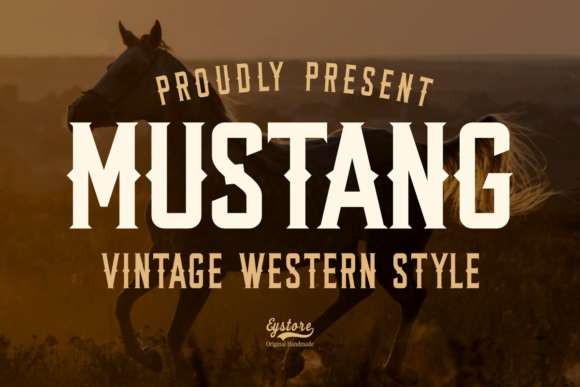
At its core, Mustang is defined by its strong, structured letterforms. Unlike the fluid strokes of a script font or the neutral geometry of a modern sans serif font, this typeface relies on sharp serif details to create its distinct silhouette. The visual weight is distributed evenly, creating a sense of stability and reliability. However, the character of the font comes from its authentic western styling—think of the hand-painted signage on old saloons or the leather tooling of a saddle bag.
The personality of Mustang is undeniably bold. It does not whisper; it commands attention. This makes it a specialized tool in your design assets library. It bridges the gap between historical accuracy and contemporary legibility. While it draws inspiration from the frontier era, the craftsmanship ensures it feels premium rather than dated. The sharp terminals and sturdy stems allow it to function effectively in both digital environments and high-resolution print, maintaining its integrity whether it is scaled up for a billboard or printed on a textured business card.
Strategic Applications: From Branding to Merchandise
The versatility of a premium font like Mustang lies in its ability to anchor a specific aesthetic. For entrepreneurs and small business owners, font selection is a critical component of brand identity. If you are launching a barbershop, a craft brewery, a rugged outdoor apparel line, or a specialty coffee roaster, this typeface offers an immediate visual shorthand for quality, tradition, and authenticity. It tells your audience that you value heritage and craftsmanship.
In the realm of logo design, Mustang excels as a primary mark. Its legibility at large scales makes it ideal for signage and vehicle wraps. However, its utility extends far beyond logos. Consider the following practical applications where this style shines:
- Packaging Design: For products like hot sauce, jerky, or artisanal spirits, the font adds a layer of perceived value and rugged charm.
- Editorial Design: Use it for drop caps or headlines in magazines focusing on lifestyle, travel, or history to create a strong visual hierarchy.
- Apparel and Merchandise: T-shirts, hats, and tote bags featuring western typography remain perennial sellers in the vintage merchandise market.
- Event Branding: Rodeo themes, county fairs, and western-themed weddings benefit from the cohesive atmosphere this typeface helps build.
For content creators and social media managers, using a display font like Mustang for Instagram graphics or YouTube thumbnails can significantly increase click-through rates. In a feed dominated by clean, minimalist sans serif font choices, the textured, bold nature of a vintage font creates a pattern interrupt that demands user engagement.
Technical Considerations and Design Strategy
While the aesthetic appeal of Mustang is clear, successful implementation requires a strategic approach to typography. As a display font, it is optimized for headlines, titles, and short bursts of text. It is generally not recommended for long-form body copy, as the intricate details can cause visual fatigue when read in small sizes over long paragraphs. Instead, pair it with a highly legible serif font or a clean sans serif font for body text. This contrast creates a balanced visual hierarchy, allowing the display font to do the heavy lifting for impact while the secondary font handles the storytelling.
When evaluating the fit of Mustang for your project, consider the emotional resonance you wish to achieve. If your goal is to convey cutting-edge technology or futuristic minimalism, this font will likely clash with your message. However, if your goal is to evoke freedom, adventure, or a connection to the past, it is an exceptional choice.
Before finalizing your design, take the time to test the font in various contexts. Check the kerning (spacing between letters) in your specific software, as display fonts often require manual adjustments to achieve optical perfection. Review the included styles and glyphs; many premium font families include alternate characters or ligatures that can add a unique flair to your logo or headline.
Finally, ensure you are adhering to commercial licensing requirements. Whether you are using Mustang for a personal project or a large-scale commercial rollout, respecting the licensing terms protects your business and supports the type designers who create these high-quality design assets. By integrating this typeface thoughtfully, you move beyond simple decoration and start building a visual language that truly resonates with your audience.