Comic Bubble: The Playful Font That Pops Off the Page
More Than Just a Pretty Face: The Anatomy of Comic Bubble
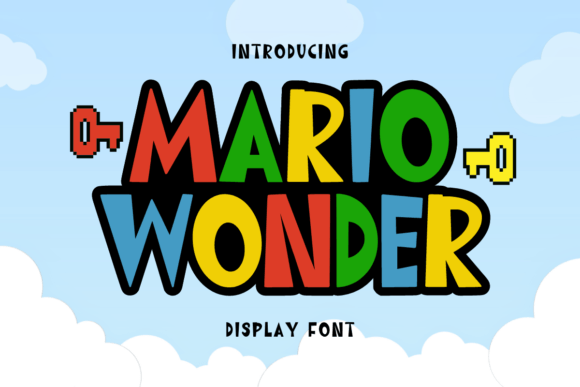
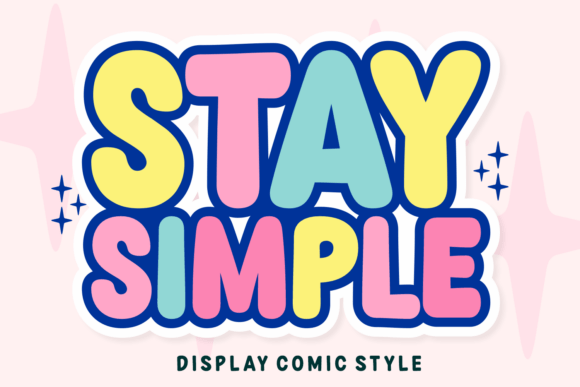
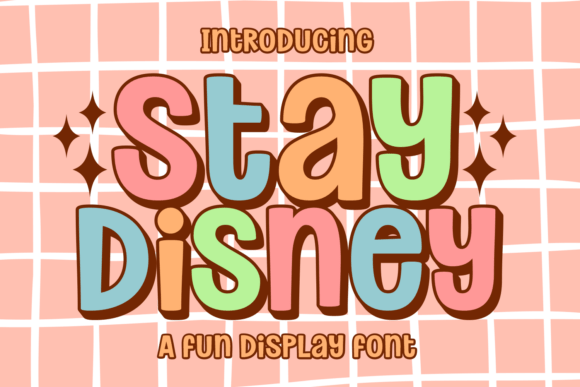
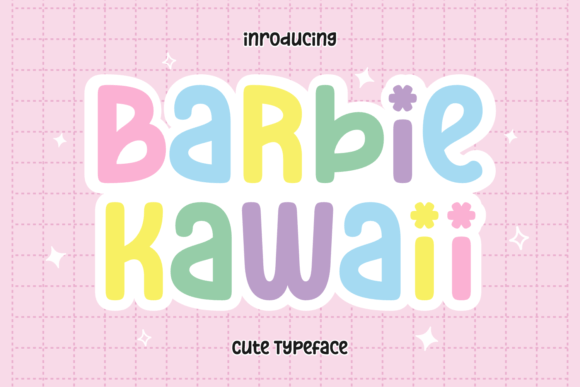
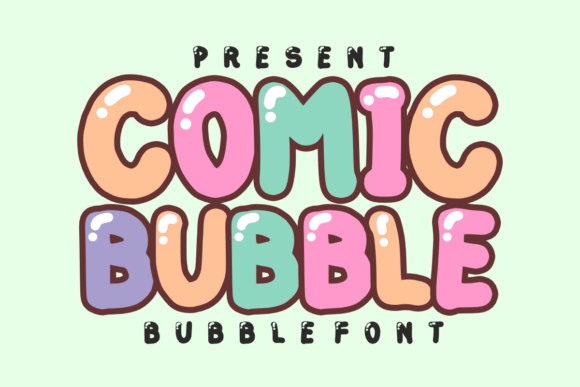
You've seen it a thousand times—the friendly, rounded letters that seem to bounce right off the screen or page. Comic Bubble is a masterclass in this beloved style. It's a premium font that takes the classic "bubble" aesthetic and refines it to a high-impact, professional level. Forget the flat, one-dimensional versions of the past. This typeface is defined by its chunky, pillow-like letterforms. Each character feels like a soft, inflated shape, with perfectly smooth, rounded edges that give it an incredibly approachable and friendly demeanor. But what truly sets Comic Bubble apart is its glossy, reflective finish and multi-colored fills. This isn't just a color; it's a texture. It creates a convincing bubbly, three-dimensional quality, as if each letter is a shiny, glistening candy or a perfect soap bubble. This visual trick immediately injects a sense of fun and tactile delight, making it a standout creative font for projects that need to feel joyful and energetic.
Where This Typeface Truly Shines
Understanding a font's personality is one thing; knowing where to deploy it is the real skill. Comic Bubble isn't for your corporate legal brief or a somber financial report. Its strength lies in contexts where cheerfulness and high-impact visual charm are the goals. Think about children's birthday invitations—this font practically writes the party. It's perfect for the headline on a candy and dessert packaging design, instantly communicating sweetness and fun. In editorial design, it can create eye-catching pull quotes or section headers in a magazine aimed at a younger audience. For comic book sound effects ("POW!" "BAM!" "SPLASH!"), it’s an obvious and effective choice.
Beyond kid-centric projects, consider its use in social media graphics. A bold statement in Comic Bubble can stop the scroll, adding a dose of personality to announcements, sales, or engaging questions. It’s a fantastic tool for kindergarten branding, daycare centers, or any business that wants to project a safe, playful, and welcoming image. For small business owners selling handmade crafts, baked goods, or party supplies, this font can become a cornerstone of their brand identity, making their logos and marketing materials instantly recognizable and full of character.
The Strategic Impact: Readability, Hierarchy, and Brand Perception
Using a font like Comic Bubble is a strategic design decision that influences more than just aesthetics. Its bold, wide forms create a strong visual hierarchy. When used for headlines or key phrases, it naturally draws the eye, establishing a clear focal point. This allows you to pair it with a simpler sans serif font or even a clean serif font for body text, creating a balanced and readable layout. The playful display font does the heavy lifting of grabbing attention, while the paired font ensures the supporting copy is easy to read.
From a brand perception standpoint, consistency is key. If your brand voice is fun, youthful, and approachable, Comic Bubble can be a powerful asset. Using it consistently across your logo design, website, and packaging design builds strong recognition. Customers will start to associate that specific, joyful typeface with your business's personality. However, this comes with a caveat: overuse or misuse can dilute its impact. Using it for long paragraphs would be a readability nightmare. Its role is as a headline or accent font, a spark of personality rather than the workhorse of your typography system.
A Practical Guide to Using Comic Bubble in Your Projects
Ready to experiment? Here’s how to approach it thoughtfully. First, evaluate the project fit. Does the project's tone align with a sweet, playful, and highly stylized aesthetic? If the answer is yes, proceed. Next, test font pairings. The goal is contrast. Pair Comic Bubble with a neutral, geometric sans serif font like Montserrat or Poppins for a modern, clean look. For a more whimsical contrast, a simple script font could work for secondary text, but tread carefully to avoid a cluttered feel.
Always review the included styles. A good commercial font like Comic Bubble often comes with alternates, ligatures, or stylistic sets that can add variety and custom flair to your designs. Play with these options. Then, conduct rigorous readability considerations testing. View your design at small sizes and from a distance. Does it hold up? Is it clear? Finally, ensure you understand the commercial licensing. For entrepreneurs and designers, using a properly licensed design asset is non-negotiable for professional and legal peace of mind.
Imagine using Comic Bubble for the main title on a child's menu at a family restaurant, paired with a friendly sans serif for the item descriptions. Picture it on the thank-you cards for an online boutique, reinforcing a brand that values fun and customer appreciation. Think of it as the sound effect text in an animated explainer video for a new toy. These are the contexts where Comic Bubble doesn't just work—it thrives, transforming standard communications into memorable, engaging experiences. It’s a specialized tool in your modern typography toolkit, and when used with intention, it delivers a dose of soft, bright, and utterly delightful personality that few other fonts can match.