Raspy Brush: Your Go-To Font for Authentic, Handmade Vibes
More Than Just Letters: The Personality of Raspy Brush
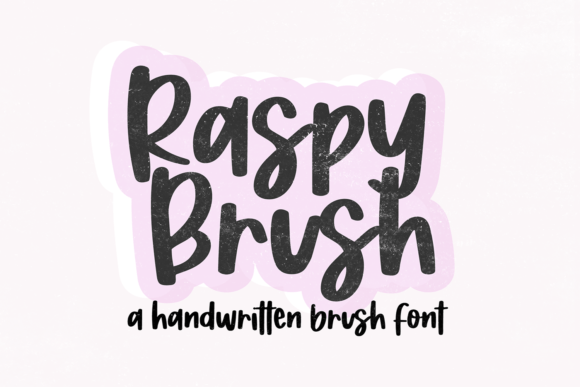
When you first see Raspy Brush, it doesn’t just sit on the page—it grabs your attention. This isn't your standard, rigid typeface. It is a cute bold brush font that carries the energy of a hand-painted sign or a carefully crafted note. The defining feature here is the texture. Unlike smooth, digital vector fonts, Raspy Brush maintains a distinct, gritty edge that mimics the look of ink drying on paper or paint on a wooden board. It feels tactile.
For designers and creators, this texture is invaluable. In a world saturated with flat, corporate sans serif fonts, a handwritten font like this offers an immediate sense of authenticity. It feels human. The strokes are confident but imperfect, which is exactly what gives it charm. It projects a personality that is friendly, approachable, and slightly rustic. If you are building a brand that needs to feel "lived-in" or personal, this typeface does the heavy lifting without you needing to add extra design elements.
Where This Creative Font Truly Shines
Understanding where a specific typeface works best is half the battle in design. While a serif font might work for a legal document, and a clean sans serif is great for a tech startup, Raspy Brush thrives in environments that demand emotion and warmth.
Social Media and Digital Content
This is perhaps the most natural home for Raspy Brush. On platforms like Instagram, Pinterest, and TikTok, you have split seconds to stop the scroll. The bold weight and textured edges of this creative font make it excellent for headers on quote graphics, sale announcements, or video thumbnails. It pops against busy backgrounds better than thinner script fonts, ensuring your message is read even on small mobile screens.
Crafts, Decor, and DIY Projects
As the description suggests, this is perfect for "crafty projects." If you are a hobbyist or a small business owner selling on Etsy, you know the importance of the "handmade" look. Raspy Brush is ideal for creating SVGs for cutting machines like Cricut or Silhouette. Imagine this font on a wooden sign for a kitchen, a tote bag for a bachelorette party, or a stencil for a farmhouse-style pillow. It bridges the gap between digital design and physical craft.
Branding and Packaging Design
For entrepreneurs, choosing the right font is a critical step in building a brand identity. Raspy Brush works exceptionally well for brands in the artisanal sector. Think coffee roasters, craft breweries, organic soap makers, or boutique bakeries. Using this font for your logo or packaging design instantly communicates that your product is made with care. It suggests a story behind the product, which is a powerful psychological trigger for consumers looking to support small businesses.
The Art of Pairing and Hierarchy
One of the biggest mistakes I see with bold display fonts is overuse. If you write an entire paragraph in Raspy Brush, it becomes exhausting to read and loses its impact. This is a display font, meaning it is designed for headlines, subheadings, and short bursts of text.
Creating Visual Hierarchy
Use Raspy Brush for your H1s or your main call to action. Because it is bold and textured, it naturally sits at the top of the visual hierarchy. It tells the viewer, "Look here first." Once you have their attention, you need a supporting cast.
Smart Font Pairing
To make Raspy Brush work in a professional setting, you need to pair it with something that calms down the composition. A clean, geometric sans serif font is usually the best companion. The smooth, straight lines of a font like Montserrat or Open Sans provide a beautiful contrast to the jagged, organic edges of Raspy Brush. This contrast ensures your body text remains legible while your headers retain their personality. Avoid pairing it with a script font or another handwritten font, as the styles will clash and create visual noise.
Practical Considerations for Professionals
Before you integrate Raspy Brush into your next major project, there are a few technical and practical aspects to consider to ensure a smooth workflow.
Evaluating Project Fit
Ask yourself: What is the tone of this project? If you are designing for a luxury law firm or a serious medical journal, Raspy Brush is likely the wrong choice. However, if you are working on a wedding invitation, a lifestyle blog, or a menu for a cafe, it is a perfect fit. It is about matching the typeface to the audience's expectations.
Licensing and Commercial Use
This is crucial for business owners. Always verify the licensing terms of the font. If you are using Raspy Brush for logo design or packaging design for a client, or for merchandise you intend to sell, you need a commercial license. Most premium font licenses cover these uses, but it is your responsibility to check. Using a personal license for commercial work is a common oversight that can lead to legal headaches down the road.
Readability and Sizing
Because of its texture, Raspy Brush may lose legibility at very small sizes. The "raspy" details can blur together if the font size drops below 12pt, especially in print. Test your designs at the intended output size. For web design, ensure that the font loads quickly and renders well across different browsers. For print, do a test run to see how the ink interacts with the paper stock—sometimes, textured fonts look different on glossy paper compared to matte cardstock.
Elevating Your Creative Toolkit
Ultimately, Raspy Brush is more than just a collection of glyphs; it is a tool for expression. It allows content creators, marketers, and designers to inject a dose of humanity into their work. Whether you are designing a t-shirt, a social media post, or a wedding invite, this font provides a solid foundation for a modern typography layout that feels personal and engaging. By using it strategically and pairing it wisely, you can elevate your projects from generic to memorable.