Willow Font: A Flowing Handwritten Typeface for Elegant Designs
The Visual Personality of Willow
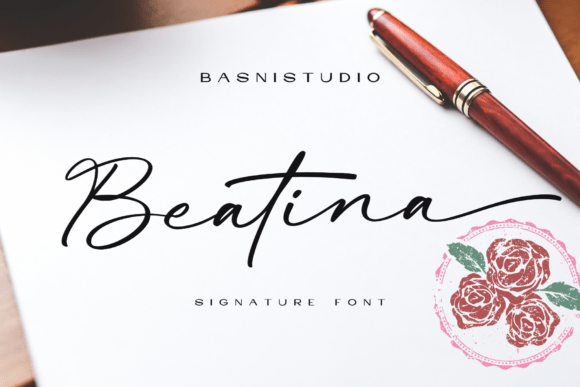
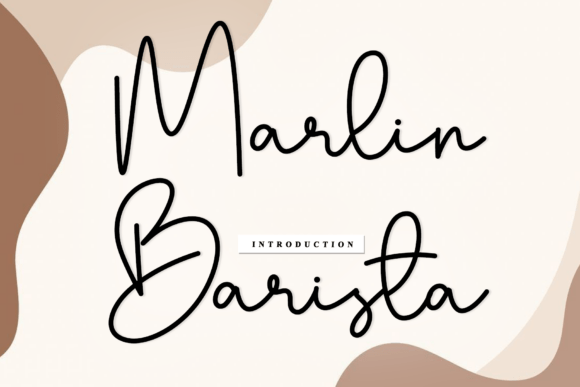
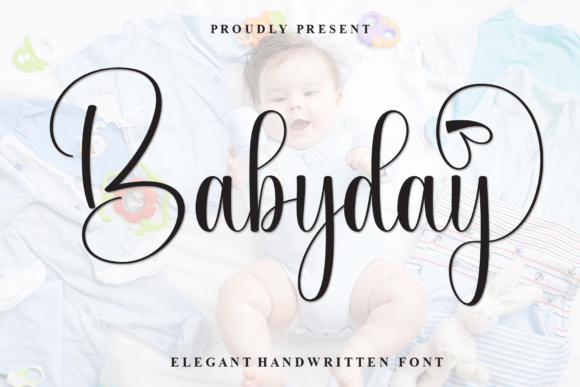
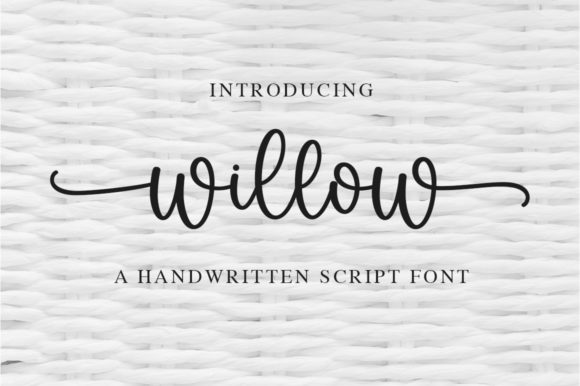
Willow is a premium font that immediately communicates elegance and fluidity. It belongs to the script font family, but it stands out with its particularly well-balanced and delicate strokes. Unlike some handwritten fonts that can feel too casual or messy for professional use, Willow maintains a high level of legibility while preserving a personal, hand-lettered charm. The characters feature beautiful, natural connections and subtle swashes that add a touch of sophistication without overwhelming the text. This makes it a versatile creative font suitable for projects where you need to blend warmth with professionalism.
As a display font, Willow is designed to make an impact in headlines, logos, and short text blocks. Its flowing nature means it excels in creating visual interest where a standard sans serif font or serif font might fall flat. The overall appeal of Willow lies in its ability to feel both personal and polished. It’s the kind of typeface that can elevate a design from generic to memorable, helping to establish a distinct brand identity that resonates with an audience seeking authenticity and style.
Where Willow Truly Shines: Practical Applications
Understanding where a font works best is crucial for any designer or business owner. Willow’s strengths are most evident in projects where emotion, elegance, and a personal touch are key. In logo design, for instance, it can create a beautiful, memorable mark for businesses in the wedding, beauty, boutique, or artisan food industries. It suggests care, quality, and a human touch. For packaging design, especially on labels for skincare, candles, or gourmet products, Willow can communicate the product’s premium and handcrafted nature instantly.
When it comes to editorial design and publishing, this premium font is a strong choice for chapter headings, pull quotes, or stylized cover text in books, magazines, and lookbooks. It adds a layer of artistic flair that engages readers. In the digital realm, Willow can enhance web design when used sparingly for key headers or call-to-action elements, guiding the user’s eye effectively. Its impact is equally powerful in social media graphics, where it can make quotes, announcements, and promotional posts stand out in a crowded feed. For entrepreneurs and small business owners, incorporating Willow into their design assets toolkit allows for creating cohesive and professional marketing materials, from business cards to website banners.
Pairing Willow with Other Typefaces
No font is an island, and smart font pairing is essential for creating balanced and readable layouts. Willow, as a script font, generally pairs best with clean, neutral typefaces that provide contrast and ensure body text remains easy to read. A simple, geometric sans serif font like Montserrat or Lato often works beautifully, allowing Willow’s personality to shine in the headlines without competing for attention. Alternatively, a classic serif font like Times New Roman or Georgia can create a more traditional, elegant pairing for projects like wedding invitations or formal publications.
The key is to let Willow dominate the visual hierarchy in places where you want to draw focus, and then use its partner font for longer passages of text. Always test your pairings in context. Create a mock-up of a social media post, a webpage header, or a product label to see how the fonts interact. Does the combination feel harmonious? Is the overall message clear? This practical testing is more valuable than any theoretical rule.
Key Considerations for Choosing and Using Willow
Before integrating any new font into your workflow, a few practical checks are necessary. First, evaluate the project’s fit. Willow is a creative font with a distinct style. It’s perfect for a yoga studio’s branding but might not be the right choice for a corporate law firm’s annual report. Consider your audience and the message you need to convey. If the goal is to appear approachable, artistic, and elegant, Willow is likely a strong candidate.
Next, explore the font’s full capabilities. Willow is PUA encoded, which is a significant practical benefit. This means all the decorative swashes, alternate characters, and special glyphs are easily accessible, even in basic design software. You can use these extras to customize words, add flourishes, or create unique letter combinations, giving you more creative control over your typography. Review the included styles—does it have the weight variations or stylistic sets you need for your project’s visual hierarchy?
Finally, consider readability and licensing. While Willow is quite legible for a handwritten font, it’s still best suited for larger text sizes. Avoid using it for small body copy. For any commercial project, from a client’s logo to products you sell, ensure you have the appropriate commercial font license. Using a premium, licensed font like Willow protects your work and ensures you’re supporting the designers who create these valuable design assets. By taking these steps, you can confidently use Willow to enhance your projects, build a stronger visual identity, and connect with your audience on a more personal level.